
How to Choose a Reliable Medical Shop Near Panchkula for Your Healthcare Needs?

Choosing a trustworthy Medical Shop Near Panchkula is an important part of managing everyday healthcare needs. Whether you need prescribed medicines, over-the-counter products, first-aid supplies, personal care essentials, or basic healthcare equipment, the right pharmacy can make the process more convenient and dependable. A reliable medical store should offer genuine products, proper storage, knowledgeable assistance, transparent billing, and convenient access when required.

People may also compare a Pharmacy Shop or a Chemist Shop based on location, product availability, service quality, operating hours, and overall reliability. However, convenience alone should not be the deciding factor. Healthcare products require careful handling, and customers should consider several practical factors before choosing a store for regular or occasional needs.
Why Choosing the Right Medical Store Matters?
A medical shop is more than a place where medicines are purchased. It can become an important part of a person's routine healthcare management, especially for individuals who regularly require prescribed medicines or healthcare supplies.
A dependable store should maintain appropriate storage conditions and organized inventory. India's Drugs Rules specify requirements for pharmacy premises and the proper storage of drugs and medicaments to help prevent deterioration.
Therefore, customers should evaluate a medical store based on quality, professionalism, convenience, and responsible practices rather than simply choosing the nearest option.
1. Check the Store's Professional Standards
One of the first things to consider is whether the medical store operates in a professional and organized manner.
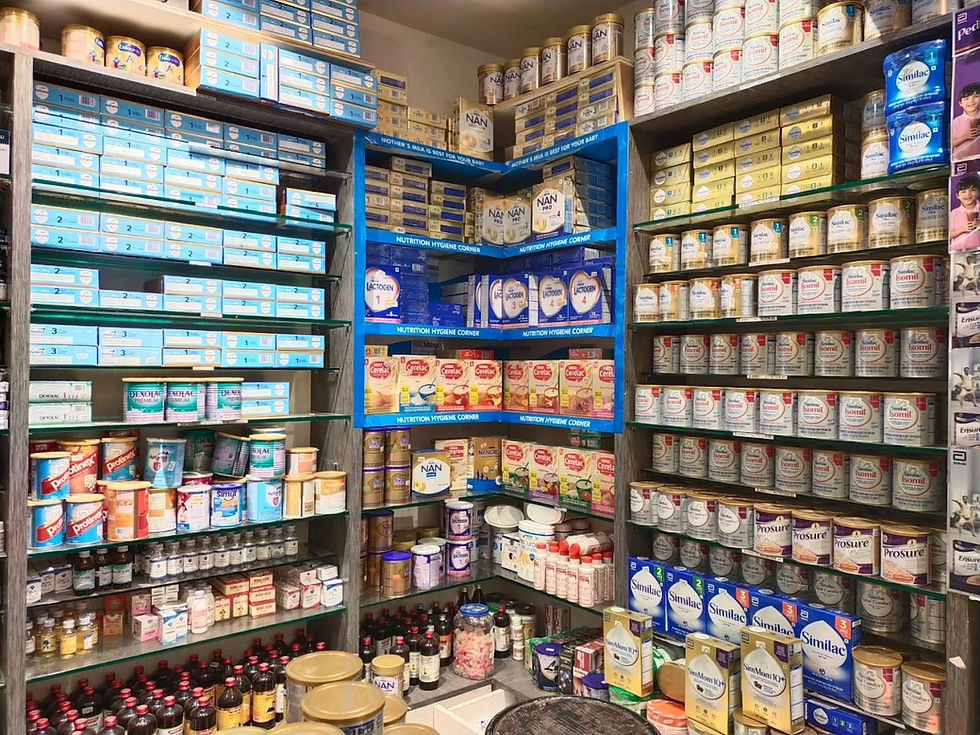
A clean and properly maintained pharmacy creates a better environment for handling healthcare products. Shelves should be organized, medicines should be stored appropriately, and products should be easy for staff to locate.
The overall condition of the premises can provide useful clues about how seriously the store approaches inventory management and customer service.
2. Look for Proper Medicine Storage
Medicine storage is an important factor that should never be overlooked. Different healthcare products may have specific storage requirements, and inappropriate conditions can affect product quality.
A reliable pharmacy should have an organized storage system and appropriate facilities for medicines that require controlled environmental conditions.
Customers do not need to inspect technical details themselves, but they can observe whether the store appears clean, organized, well-maintained, and professionally managed.
3. Verify Medicine Packaging and Expiry Dates
Before purchasing medicines, customers should check the packaging and expiry information.
Look for:
Clearly printed product information
Intact packaging
Manufacturer details
Batch information
Manufacturing and expiry dates
Appropriate labels and instructions
Customers should avoid purchasing products with damaged packaging or unclear information. If anything appears unusual, it is better to ask the pharmacy professional for clarification before making the purchase.
4. Consider Product Availability
A reliable medical store should ideally maintain a useful range of commonly required healthcare products.
Depending on the store, this may include:
Prescription medicines
Over-the-counter healthcare products
First-aid supplies
Personal care products
Wellness essentials
Basic medical equipment
Orthopaedic support products
Healthcare accessories
For people who regularly require particular medicines, consistent availability can save time and reduce the inconvenience of visiting multiple stores.
5. Assess the Availability of Qualified Pharmacy Professionals
Professional assistance can be valuable when customers have questions about medicine packaging, dosage instructions written by a doctor, product availability, or general usage directions.
A pharmacy professional can help customers understand information on a prescription or product label and guide them on how to follow the instructions provided by their healthcare provider.
However, customers should remember that pharmacists and medical shops are not substitutes for doctors. New symptoms, serious reactions, prescription changes, and medical diagnoses should always be discussed with an appropriately qualified healthcare professional.
6. Pay Attention to Billing Transparency
Transparent billing is another sign of a professionally managed store.
Customers should receive a proper bill showing the purchased products and applicable charges. Keeping receipts is particularly useful when medicines need to be tracked for household healthcare expenses.
Clear billing also helps customers verify what they purchased and maintain records for future reference.
7. Compare Location and Accessibility
Convenience matters, especially when medicines or healthcare products are needed regularly.
Consider whether the store is easy to reach from your home, workplace, or healthcare provider. Parking availability, public transport access, and accessibility for older adults can also influence the overall convenience.
For routine healthcare purchases, choosing a conveniently located pharmacy can make repeated visits considerably easier.
8. Check Operating Hours
Healthcare needs do not always follow a fixed schedule. Therefore, operating hours can be an important consideration.
Before relying on a particular store, check its current business hours and whether those hours suit your requirements. This becomes particularly useful for people who have work commitments during standard daytime hours.
For urgent medical situations, however, customers should seek appropriate medical care rather than depending solely on a retail pharmacy.
9. Look at Customer Service
Good customer service can make a significant difference in the overall pharmacy experience.
Staff should communicate politely, listen carefully, and provide clear information within their professional scope. Customers should feel comfortable asking questions about product availability, packaging, billing, and prescription-related information.
A store that consistently maintains professional communication is more likely to become a dependable option for routine healthcare requirements.
10. Consider Medicine Ordering and Delivery Options
Some pharmacies provide ordering or delivery services for customers who cannot easily visit the store.
This can be particularly convenient for elderly individuals, people recovering at home, or customers managing regular prescriptions.
Before using any delivery service, verify the order carefully when it arrives. Check the product name, quantity, packaging, and expiry information.
For prescription medicines, follow the applicable prescription requirements and do not change medication simply because a different product is suggested or available.

Conclusion
Selecting the right Medical Shop Near Panchkula requires more than choosing the closest location. Customers should consider medicine availability, storage practices, product packaging, professional assistance, transparent billing, accessibility, operating hours, and overall service quality. A reliable pharmacy should make routine healthcare purchases convenient while maintaining responsible standards for handling and supplying healthcare products.
Whether comparing a Pharmacy Shop Near Panchkula or a Chemist Shop Near Panchkula, the best choice is one that combines convenience with professionalism and dependable service. Taking a few minutes to evaluate these factors can help individuals and families establish a more reliable approach to their everyday healthcare requirements.
FAQs
1. What should I check before choosing a medical shop?
Check the store's cleanliness, product availability, medicine packaging, expiry information, billing practices, operating hours, accessibility, and overall customer service. Professional assistance and appropriate medicine storage are also important considerations.
2. Why is medicine storage important?
Proper storage helps protect medicines from conditions that could affect their quality. Pharmacy regulations include requirements concerning suitable premises and storage of drugs and medicaments.
3. Should I check the expiry date before purchasing medicine?
Yes. Customers should check the expiry date, packaging condition, product details, and other information before purchasing medicines or healthcare products.
4. Can a pharmacist recommend medicines?
A pharmacist can provide professional guidance within their scope, particularly regarding product information and prescription instructions. However, customers should consult a qualified doctor for diagnosis, new symptoms, treatment changes, or serious health concerns.
5. Is customer feedback useful when choosing a pharmacy?
Yes. Reviews can provide insights into service quality, product availability, staff behavior, billing, and convenience. It is better to consider recurring patterns in feedback rather than relying on a single review.


Comments